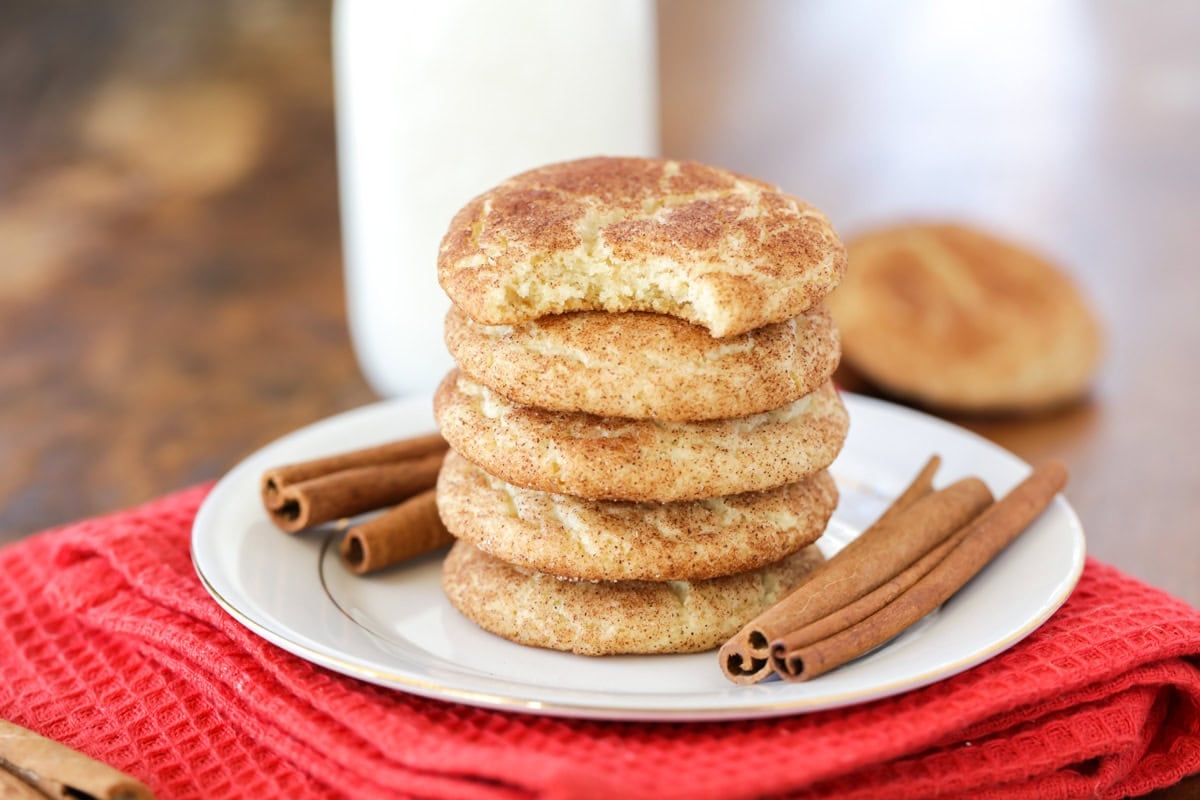
Bake Easy, No-Fail Snickerdoodles: Get Puffy, Not Flat!
There’s something undeniably comforting and nostalgic about a perfectly baked snickerdoodle. These classic cookies, with their signature soft, chewy centers, slightly crisp edges, and delightful cinnamon-sugar coating, have been a family favorite for generations. From treasured handwritten recipes passed down through kitchens to viral online sensations boasting thousands of five-star reviews,
snickerdoodles hold a special place in the hearts of cookie lovers everywhere. Yet, for all their widespread appeal, many home bakers encounter a common frustration: ending up with flat, thin, and crispy cookies instead of the desirable puffy, pillowy mounds they envisioned. If you've ever dreamt of biting into a thick, soft snickerdoodle, you're in the right place. This comprehensive guide will unlock the secrets to achieving beautifully puffy, no-fail snickerdoodles every single time, transforming your baking from good to absolutely legendary.
The Allure of the Snickerdoodle: More Than Just a Sugar Cookie
What elevates a snickerdoodle beyond a simple sugar cookie? It's a harmonious blend of familiar comfort and unique character. At first glance, a
snickerdoodle might resemble a sugared drop cookie, but its true magic lies in its distinct texture and a subtle, tangy flavor that sets it apart. The generous coating of cinnamon sugar is, of course, a major part of its appeal, creating a fragrant, caramelized crust that crackles slightly with each bite. But the real game-changer is often hidden within the dough itself: cream of tartar. This unassuming ingredient is the secret weapon that gives
snickerdoodles their signature tang and contributes significantly to their incredibly soft, chewy texture.
Beyond the ingredients, the experience of a snickerdoodle is pure nostalgia. They evoke memories of childhood kitchens, holiday gatherings, and simple pleasures. Their ease of preparation and universally loved flavor profile make them a go-to choice for bake sales, potlucks, or just a cozy evening treat. The ideal snickerdoodle boasts a delicate balance: a soft, almost cake-like interior that doesn't feel undercooked, contrasted with edges that offer just the right amount of chew. When done right, they're truly irresistible, and with our proven techniques, you’ll be baking "snickerdoodle pillows" that stay soft for days – if they last that long!
Unlocking Puffy Perfection: Key Ingredients & Their Roles
Achieving those coveted puffy and soft
snickerdoodles isn't just about following a recipe; it's about understanding the function of each ingredient and how they interact. The "secret" often lies in the precise ratio of butter, leavener, flour, and egg, all working in concert to create that ideal cookie architecture.
First and foremost, let’s talk fat. While some cookie recipes might call for shortening, for truly delicious and
puffy snickerdoodles,
butter is non-negotiable. Butter not only provides superior flavor that shortening simply cannot replicate, but its specific fat content and melting point also contribute to the cookie's tender crumb and spread. Using cold butter, cut into cubes, and creaming it properly with sugar will incorporate air, which is crucial for lift.
Next, the star of the show:
cream of tartar. This ingredient is what truly defines a
snickerdoodle and differentiates it from a standard sugar cookie. Instead of relying solely on baking powder, a classic snickerdoodle recipe uses a combination of cream of tartar and baking soda. Cream of tartar is an acidic salt that reacts with baking soda to create carbon dioxide gas, providing lift and chewiness. More importantly, it imparts that unique, subtle tangy flavor that is the hallmark of a snickerdoodle. Without it, you might have a cinnamon sugar cookie, but it won't quite be a snickerdoodle. For a deeper dive into this magical ingredient and how it influences your cookie texture, explore
Cream of Tartar & No Chill: Your Quick Snickerdoodle Guide. This powerful duo of leaveners ensures your cookies rise beautifully without becoming overly dense or cakey.
Finally, the flour and egg ratios are pivotal. The right amount of flour provides structure, preventing the cookies from spreading too thin, while the egg binds everything together and adds richness. Interestingly, many tried-and-true snickerdoodle recipes don’t require the dough to be chilled before baking. This is because the flour-to-fat ratio is typically robust enough to create a strong, sturdy cookie that holds its shape even without chilling, making them an incredibly easy and quick cookie to whip up.
The Art of Baking: Techniques for Soft, Chewy Snickerdoodles
Beyond the ingredients, the execution of your baking process is equally vital for achieving those perfectly
puffy snickerdoodles. Even with the best recipe, incorrect techniques can lead to disappointment.
The creaming method is foundational. Properly creaming together the softened butter and sugar until light and fluffy incorporates essential air, which is a significant factor in giving your cookies lift and a tender texture. This step creates tiny pockets of air that expand during baking, resulting in a lighter, softer crumb. Once the dry ingredients are added, mix just until combined. Overmixing the dough can develop the gluten in the flour too much, leading to tougher cookies. A gentle hand here ensures your snickerdoodles remain perfectly tender.
Before baking, each dough ball is generously rolled in the signature cinnamon-sugar mixture. This isn't just for flavor; the sugar coating caramelizes slightly in the oven, contributing to those delightful crisp edges and sealing in moisture, further promoting a soft interior. Ensure your dough balls are uniform in size to guarantee even baking, allowing all your cookies to achieve that ideal puffy consistency simultaneously.
Perhaps the most critical technique for
soft and chewy snickerdoodles is
slightly under-baking them. While it might feel counter-intuitive to pull cookies from the oven when they don't look fully "done," this is the secret to a perfectly soft interior. Most snickerdoodles bake beautifully in about 10-11 minutes. When you peek at them, the edges should appear set and lightly golden, but the centers might still look a little soft or even slightly underdone. This is precisely what you want! The cookies will continue to cook and set as they cool on the baking sheet for a few minutes before being transferred to a wire rack. This residual heat, known as carry-over baking, finishes the cooking process without drying out the centers, ensuring they remain wonderfully soft and chewy. Over-baking is the quickest route to flat, crispy snickerdoodle disappointment.
Beyond the Basics: Expert Tips for Snickerdoodle Success
To truly master the art of baking
no-fail snickerdoodles, consider these additional expert tips and insights that build upon the foundational techniques:
*
Ingredient Quality Matters: Start with fresh, high-quality ingredients. Good butter, fresh eggs, and aromatic cinnamon will undoubtedly translate into a better-tasting cookie. Stale cream of tartar can lose its leavening power, so ensure yours is fresh.
*
Accurate Measurements: Baking is a science. Using kitchen scales for dry ingredients like flour can be more accurate than volume measurements, preventing an excess of flour that can lead to dry, dense cookies or too little, which might cause spreading.
*
Room Temperature Ingredients (Mostly): While butter should be slightly softened for creaming, ensure your eggs are at room temperature. They emulsify better with the fat, creating a smoother, more uniform dough.
*
Don’t Overcrowd the Pan: Give your cookies space to spread slightly and bake evenly. Overcrowding can lead to uneven baking and can also trap steam, affecting the texture.
*
Pan Prep: Use parchment paper or silicone baking mats. This prevents sticking, promotes even browning, and makes cleanup a breeze.
*
Cooling Patience: Resist the urge to move your cookies immediately from the hot baking sheet. Let them firm up for 2-5 minutes on the sheet before carefully transferring them to a wire rack to cool completely. This helps maintain their structure and prevents breakage.
*
Storage for Softness: To keep your snickerdoodles soft for days, store them in an airtight container at room temperature. If they start to dry out, placing a slice of bread in the container overnight can help restore some moisture.
By paying attention to these details, you'll not only bake consistent, delicious
snickerdoodles, but you'll also gain a deeper understanding of the baking process. For more comprehensive insights into perfecting your batch, delve into
The Secret to Perfect Snickerdoodles: Soft, Chewy & Tangy.
Conclusion
Baking the perfect batch of
snickerdoodles doesn't have to be a daunting task. By understanding the critical role of key ingredients like butter and cream of tartar, along with employing precise techniques such as accurate mixing, gentle under-baking, and careful cooling, you can confidently achieve those dreamy,
puffy snickerdoodles that are soft, chewy, and bursting with classic cinnamon-sugar flavor. Say goodbye to flat, crispy disappointments and hello to a future filled with irresistible,
no-fail snickerdoodles that will earn you rave reviews every time. Gather your ingredients, roll up your sleeves, and get ready to bake a timeless classic that truly delivers on its promise of delicious, comforting perfection.